simple composting strategies for beginners to boost gardening
Composting is an excellent way to enrich your garden while reducing waste. For beginners, diving into the world of composting may seem daunting, but with a few simple strategies, anyone can get started and enjoy the benefits of homemade compost. Whether you have a large garden or just a small balcony, composting can enhance your soil, leading to healthier plants and more abundant harvests.
Understanding Composting Basics
Composting involves the natural decomposition of organic materials, transforming them into nutrient-rich compost. The process is driven by microorganisms that break down the materials, which can include kitchen scraps, garden waste, and even paper products. To create a successful compost pile, you will need a mix of 'greens' and 'browns'. Greens include items like fruit and vegetable scraps, coffee grounds, and fresh grass clippings, while browns consist of dry leaves, straw, and cardboard. A good rule of thumb is to maintain a balance of approximately one part greens to three parts browns.
Choosing the Right Compost Bin
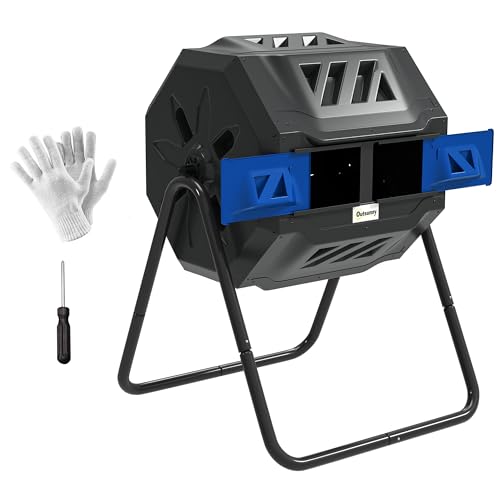
For beginners, selecting the right compost bin can make a significant difference in the composting process. There are various options available, from simple DIY bins made from pallets to more sophisticated tumblers that speed up the process. If you have limited space, a worm bin (vermicompost) is an excellent option for indoor composting. It allows you to recycle kitchen waste effectively while producing high-quality compost. Choose a bin that fits your lifestyle, and consider factors such as aeration, drainage, and ease of access.
People Also Look For:
- Hoypeyfiy 12-Pack Charcoal Compost Container Filter, Black, Activated Carbon, Compost Bin, Compost Filter, Square, COMPOST_BIN
- ELPHECO Kitchen Compost Bin with Lid 1.8 Gallon Hanging Trash Can with Lid, 7 Liter Wall-Mounted Garbage Can for Kitchen Cabinet D...
- BLUE GINKGO Kitchen Compost Bin [2.6L] – Filter-Free, Odor-Tight Countertop Food Waste Pail with Handles (Made in...
- Zyluniy 3L Kitchen Compost Bin, White, Rectangular, Polypropylene (PP), COMPOST_BIN
- Compost Bin Filters, 16 Pieces Filters Compost Bin Replacement Filters, Compost Bin Filters Charcoal, Kitchen Activated Carbon Fil...
Layering Your Compost
Creating layers in your compost pile is crucial for successful decomposition. Start with a base of coarse browns, such as small sticks or straw, which helps aerate the pile. Alternate layers of greens and browns, making sure to chop or shred larger materials to speed up decomposition. Aim for a pile that is at least one cubic metre; this size will retain heat, essential for the composting process. Regularly turning the compost every few weeks will introduce oxygen, helping to break down the materials faster and preventing unpleasant odours.
What to Compost and What to Avoid
Knowing what to add to your compost is vital. Suitable materials include fruit and vegetable peels, eggshells, coffee grounds, grass clippings, and dried leaves. However, avoid adding meat, dairy products, and oily foods, as these can attract pests and create odours. Additionally, steer clear of diseased plants, weeds that have gone to seed, and any materials treated with chemicals or pesticides, as these can harm beneficial microbes in your compost.
Maintaining Your Compost
To ensure your compost remains healthy, monitor its moisture level. A well-balanced compost pile should feel like a damp sponge, neither too wet nor too dry. If it becomes too dry, add water or more greens; if it is too wet, mix in more browns. Keep an eye on the temperature; a hot compost pile (around 60 to 70 degrees Celsius) indicates active decomposition. If it cools down, turning the pile will reintroduce oxygen and heat things up again.
Using Your Finished Compost
Once your compost has broken down into a dark, crumbly material, it is ready to use. Incorporate it into your garden beds, potting mixes, or use it as a mulch around plants. This nutrient-rich compost will improve soil structure, enhance moisture retention, and boost the overall health of your plants. Regularly adding compost to your gardening routine will create a thriving environment for your plants, leading to more vibrant and fruitful gardens.