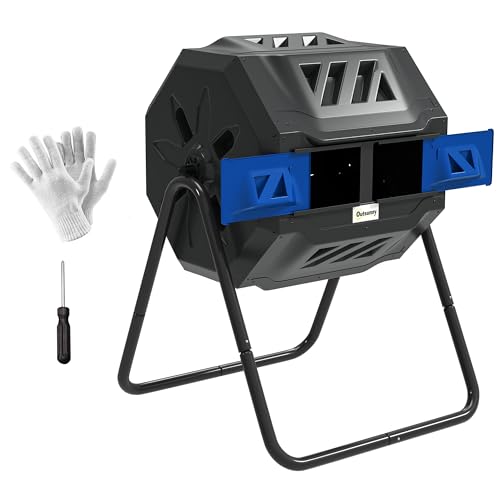
comparing traditional and tumbling composters for efficiency
Composting has become a cornerstone of sustainable living, allowing individuals to recycle organic waste and create nutrient-rich soil. In 2026, as more people become eco-conscious, understanding the different types of composters available is essential. This article compares traditional and tumbling composters, focusing on their efficiency and practicality.
Understanding Traditional Composters
Traditional composters are typically static bins or piles where organic waste is layered. These systems rely on natural decomposition processes, promoting microbial activity through careful balancing of green and brown materials. Often made from wood, plastic, or metal, traditional composters can vary in size and design.
Efficiency in traditional composters is influenced by several factors, including the materials used, the frequency of turning, and the environmental conditions. For optimal results, it is advisable to maintain a balanced ratio of nitrogen-rich greens such as kitchen scraps and carbon-rich browns like dry leaves. It may take several months for compost to mature, demanding patience and regular monitoring of moisture levels and aeration.
Exploring Tumbling Composters
Tumbling composters, on the other hand, offer a more dynamic approach to composting. These are enclosed units mounted on a rotating axis, allowing for easy mixing of materials. The design encourages aeration, which accelerates the decomposition process. Tumbling composters are usually made from durable plastic and come in a variety of sizes, catering to different garden spaces.
People Also Look For:
- Zyluniy 3L Kitchen Compost Bin, White, Rectangular, Polypropylene (PP), COMPOST_BIN
- 30 Litre Compostable Bin Bags - 100 Counts Biodegradable Bin Liners Strong Pedal Food Waste Trash Bag Compost Bin Liner for Kitche...
- Compost Bin Filters, 16 Pieces Filters Compost Bin Replacement Filters, Compost Bin Filters Charcoal, Kitchen Activated Carbon Fil...
- ELPHECO Kitchen Compost Bin with Lid 1.8 Gallon Hanging Trash Can with Lid, 7 Liter Wall-Mounted Garbage Can for Kitchen Cabinet D...
- 2 Pack Motion Sensor Touchless Garbage Cans, 4.7 & 3Gallon Smart Trash Can with Lid, Slim Plastic Automatic Garbage Bin Compost Bi...
One of the key advantages of tumbling composters is their efficiency. The ability to easily turn the compost means that aeration is optimised, resulting in faster breakdown of organic matter. Typically, compost in a tumbling composter can mature within a few weeks, significantly reducing the wait time compared to traditional composters. To maximise efficiency, it is best to fill the composter with a mix of greens and browns in a balanced ratio and ensure that it is turned regularly.
Comparing Efficiency
When comparing the efficiency of traditional and tumbling composters, several factors should be considered. Time is a crucial element; tumbling composters generally produce finished compost much faster than traditional methods. This is particularly beneficial for those looking to quickly return nutrients to their garden.
Another factor is space. Traditional composters may require a larger footprint, especially if you have multiple bins to manage different stages of composting. Tumbling composters, being compact and enclosed, can easily fit into smaller spaces, making them ideal for urban gardeners.
Practical Advice for Choosing a Composter
When deciding between a traditional and tumbling composter, consider your gardening habits and available space. If you are patient and enjoy the process of composting, a traditional composter may suit you well. However, if you prefer a quicker turnaround and ease of use, a tumbling composter is likely the better option.
Additionally, think about the materials you usually dispose of. If you generate a significant amount of kitchen waste, a tumbling composter will allow you to process this quickly. For those who compost primarily yard waste, a traditional composter can handle larger quantities without fuss.
Maintenance and Care
Maintenance needs also differ between the two types. Traditional composters require regular turning, which can be labour-intensive, especially in larger setups. Tumbling composters require less physical effort and can be turned easily with a simple rotation. However, both types need monitoring to ensure moisture levels and temperature are conducive to decomposition.
In terms of pest management, traditional composters may attract rodents and insects if not managed properly. Tumbling composters, being enclosed, provide better protection against pests, although it is still essential to avoid adding meat or dairy products, which can attract unwanted critters.
![BLUE GINKGO Kitchen Compost Bin [2.6L] – Fi](https://m.media-amazon.com/images/I/210tC6y317L._SL500_.jpg)