avoiding pitfalls in composting for a thriving garden
Composting is a fantastic way to enrich your garden soil, reduce waste, and promote a healthy ecosystem. However, many gardeners fall into common traps that can hinder the effectiveness of their composting efforts. In this article, we will explore common mistakes to avoid to ensure that your compost is not only effective but also contributes to a thriving garden.
Neglecting to Balance Ingredients
A fundamental mistake in composting is failing to balance green materials with brown materials. Green materials are high in nitrogen and include items like vegetable scraps, grass clippings, and coffee grounds. Brown materials, on the other hand, are rich in carbon and include dried leaves, cardboard, and straw. The ideal ratio is about 2:1 of browns to greens. Without this balance, your compost may become too wet and smelly, or it may take too long to break down.
Ignoring Aeration
Composting requires oxygen to facilitate decomposition. One common pitfall is not turning the compost pile regularly. Turning your compost every few weeks introduces oxygen and helps to speed up the decomposition process. If you notice a lack of heat or an unpleasant odour, it may be time to aerate your pile. Use a pitchfork or compost aerator to mix the materials thoroughly, which can lead to a more balanced and efficient composting process.
People Also Look For:
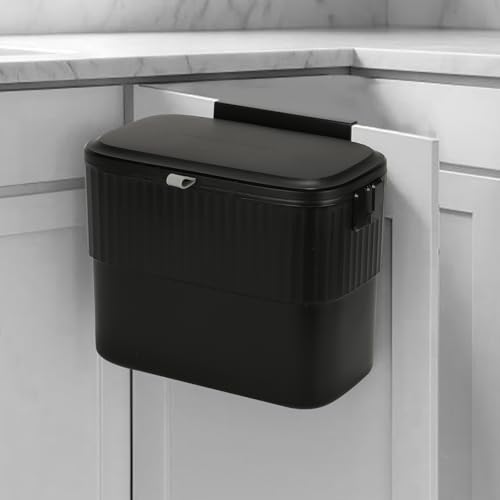
- ELPHECO Kitchen Compost Bin with Lid 1.8 Gallon Hanging Trash Can with Lid, 7 Liter Wall-Mounted Garbage Can for Kitchen Cabinet D...
- 2 Pack Motion Sensor Touchless Garbage Cans, 4.7 & 3Gallon Smart Trash Can with Lid, Slim Plastic Automatic Garbage Bin Compost Bi...
- Home Centre 7L Eco System Organic Kitchen Food Waste Odour-Proof Compost Bin with Lid
- BLUE GINKGO Kitchen Compost Bin [2.6L] – Filter-Free, Odor-Tight Countertop Food Waste Pail with Handles (Made in...
- Zyluniy 3L Kitchen Compost Bin, White, Rectangular, Polypropylene (PP), COMPOST_BIN
Incorporating Inappropriate Materials
Another frequent mistake is adding unsuitable materials to your compost. Certain items can attract pests, create odours, or slow down the composting process. Avoid adding meat, dairy products, oils, and diseased plants to your compost. Instead, focus on kitchen scraps, garden waste, and paper products. Additionally, be cautious with certain plant materials like black walnut leaves, which can be toxic to other plants in your garden.
Overloading the Compost Bin
While it may be tempting to fill your compost bin to the brim, overcrowding can lead to poor aeration and a lack of moisture. A compacted pile will struggle to decompose effectively. To ensure adequate airflow, fill your compost bin to about three-quarters full. This allows for expansion and maintains the necessary conditions for efficient composting.
Neglecting Moisture Levels
Composting is a delicate balance of moisture. If your compost pile is too dry, decomposition will slow significantly. Conversely, if it is too wet, it can become anaerobic and smelly. The ideal moisture level is similar to that of a damp sponge. If your compost feels dry, sprinkle some water and turn the pile to incorporate it. If it is too wet, add more brown materials to absorb excess moisture.
Failing to Monitor Temperature
Temperature is a crucial factor in successful composting. A well-maintained compost pile should heat up to between 54 to 66 degrees Celsius (130 to 150 degrees Fahrenheit). If your pile is not reaching these temperatures, it may be too small, lacking nitrogen, or insufficiently aerated. Use a compost thermometer to monitor the temperature and make adjustments accordingly to optimise the composting process.
Being Impatient
Composting takes time. One of the most common pitfalls is the expectation of quick results. Depending on the materials and conditions, it can take anywhere from a few weeks to several months for compost to fully mature. Be patient and allow nature to take its course. Regularly check your compost and turn it as needed to ensure a smooth process. Remember, good things come to those who wait.