expert tips for optimising composting success in any garden
Composting is an excellent way to recycle kitchen scraps and garden waste, transforming them into nutrient-rich soil for your plants. By optimising your composting process, you can improve efficiency, reduce odours, and create high-quality compost. Here are some expert tips to help you make the most of your composting efforts in any garden.
Choose the Right Composter
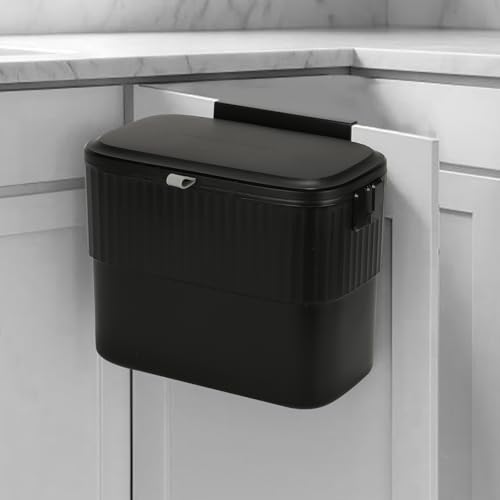
The first step to successful composting is selecting the right composter for your needs. There are various types available, including tumblers, bins, and heaps. Tumblers are ideal for smaller gardens as they allow for easy mixing and aeration. If you have a larger space, consider a multi-chamber bin that can accommodate different stages of composting. Ensure that your composter is made of durable, weather-resistant materials to withstand the elements.
Balance the Green and Brown Materials
A healthy compost pile requires a balance of green and brown materials. Green materials are rich in nitrogen and include kitchen scraps like fruit and vegetable peels, grass clippings, and coffee grounds. Brown materials are carbon-rich and consist of dry leaves, straw, and shredded paper. Aim for a ratio of about three parts brown to one part green to ensure proper decomposition and to reduce the risk of odours.
People Also Look For:
- Zyluniy 3L Kitchen Compost Bin, White, Rectangular, Polypropylene (PP), COMPOST_BIN
- GREEN MAKER ENVIRONMENTAL PROTECTION 150 Bags Compost Bin Liners 6L 8L 10L 30L Kitchen Waste Bags 100% Biodegradable Bags with EN1...
- BLUE GINKGO Kitchen Compost Bin [2.6L] – Filter-Free, Odor-Tight Countertop Food Waste Pail with Handles (Made in...
- 30 Litre Compostable Bin Bags - 100 Counts Biodegradable Bin Liners Strong Pedal Food Waste Trash Bag Compost Bin Liner for Kitche...
- Home Centre 7L Eco System Organic Kitchen Food Waste Odour-Proof Compost Bin with Lid
Chop or Shred Materials
To accelerate the composting process, it is advisable to chop or shred larger materials before adding them to your composter. Smaller pieces break down more quickly, allowing for a faster turnaround on your compost. For example, cut up branches and twigs into smaller sections and shred cardboard before tossing them in. This simple step can significantly enhance the speed of decomposition.
Maintain Moisture Levels
Turn the Pile Regularly
Turning your compost pile is crucial for aeration and heat distribution. Oxygen is vital for aerobic microorganisms that break down the organic matter. Use a pitchfork or compost aerator to turn the pile every few weeks, ensuring that the materials are mixed and that heat is evenly distributed. This practice will not only speed up the decomposition process but also minimise unpleasant odours.
Add Compost Activators
To give your compost a boost, consider adding compost activators. These are materials rich in microorganisms that help accelerate decomposition. Some common activators include finished compost, well-rotted manure, or store-bought compost starters. Introducing these elements can help jumpstart the composting process, particularly if your materials are slow to break down.
Monitor Temperature
Temperature is a key indicator of composting activity. A well-functioning compost pile should reach temperatures between 55 to 65 degrees Celsius. This heat indicates that the microorganisms are working effectively. Use a compost thermometer to monitor the temperature of your pile. If it appears too hot or too cold, adjust the materials and aeration accordingly to create the ideal environment for decomposition.
Be Patient and Observant
Composting is a natural process that takes time. Depending on various factors, such as materials and environmental conditions, it may take several weeks to months for your compost to mature. Be patient and observe your pile regularly. Look for signs of decomposition, such as a reduction in volume and a pleasant earthy smell, to know when your compost is ready to use.